Cyber Insurance Isn’t a Substitute for Cybersecurity Anymore

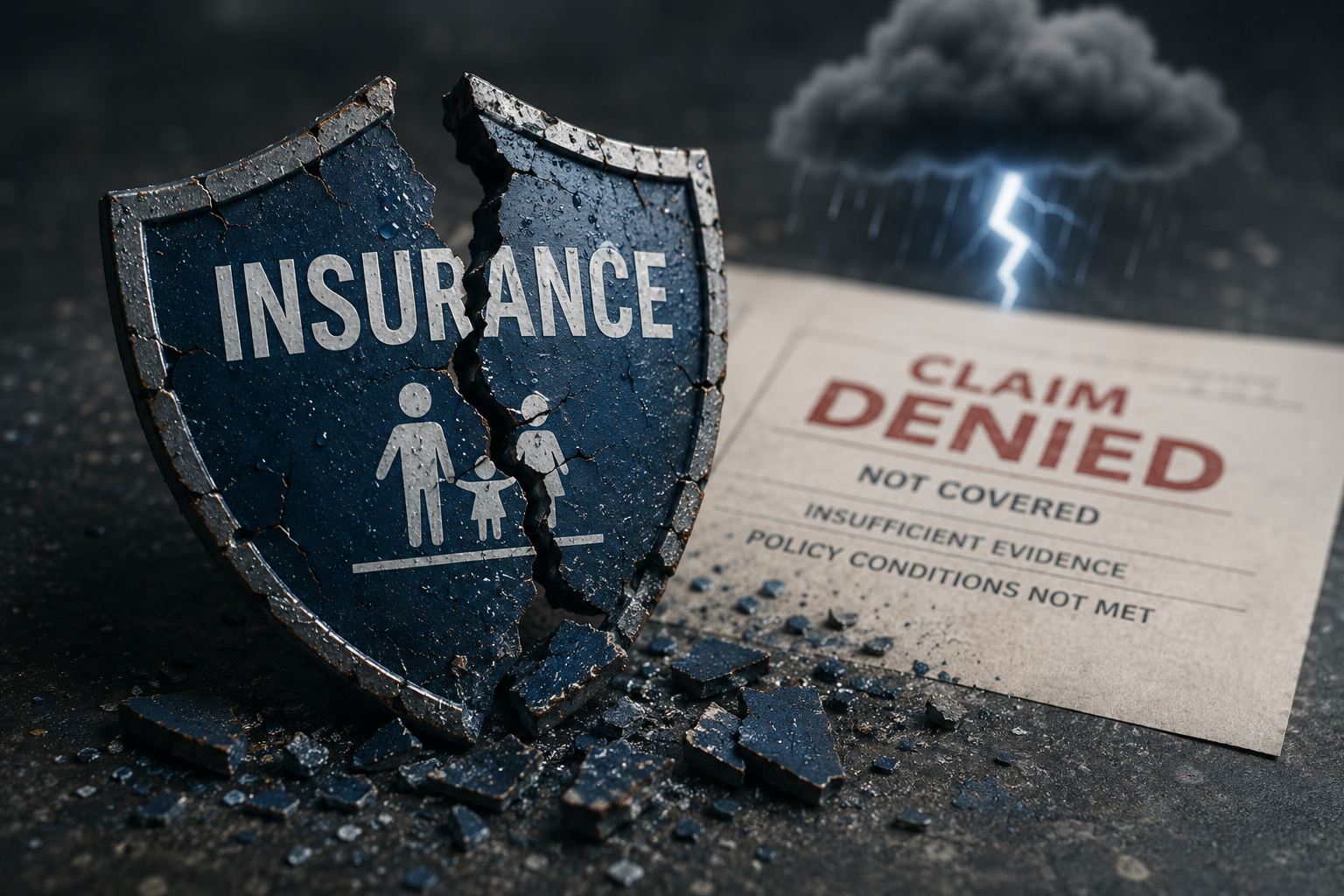
For years many businesses treated cyber insurance as a safety net.
“If something goes wrong, insurance will cover it.”
That assumption is becoming dangerously outdated.
Today, insurers are asking far harder questions before they will provide cover, approve claims, or renew policies. And increasingly, those questions sound very similar to the ones the ICO asks after a data breach:
- Can you prove MFA was enabled?
- Can you prove systems were patched?
- Can you prove risks were being managed?
- Can you prove staff were trained?
- Can you prove there was oversight?
Because in modern cybersecurity, evidence matters.
And that changes the role of your IT provider completely.
The Shift Businesses Haven’t Fully Noticed Yet
Cyber insurance used to focus heavily on what tools a business had purchased.
Do you have antivirus?
Do you have backups?
Do you have a firewall?
Now insurers are far more interested in management, governance, and evidence of ongoing control.
That means:
- Policies
- Risk registers
- Security reviews
- Backup testing
- Incident response plans
- Board oversight
- Compliance reporting
- Supplier management
- Proof security is actively maintained
In other words…
Cyber insurance is no longer just about technology.
It is about proving cybersecurity is being managed properly.
The Dangerous Assumption Many Businesses Still Make
Many SMEs believe:
“We have cyber insurance so we’re covered.”
But what happens if:
- MFA was only partially deployed?
- Backups had never been tested?
- Critical systems were months behind on patching?
- Nobody owned cybersecurity internally?
- Risks had never been documented?
- There was no evidence of review or oversight?
That can become a very uncomfortable conversation after an incident.
Especially if the insurer starts questioning whether the declared controls actually existed and were being managed correctly.
The ICO Doesn’t Just Investigate the Breach
This is the part many organisations misunderstand.
The ICO rarely focuses only on the event itself.
They investigate:
- Whether reasonable steps were taken
- Whether risks were understood
- Whether controls existed
- Whether management oversight was in place
- Whether the business can demonstrate accountability
And importantly:
Whether there is evidence.
Because sometimes breaches happen despite reasonable security.
But failing to manage and document cybersecurity properly is a very different conversation.
Directors Should Be Paying Attention
Cybersecurity is no longer just an IT issue.
It is now:
- A governance issue
- A compliance issue
- A business continuity issue
- A board responsibility
This is why insurers are increasingly asking questions that extend beyond technical controls.
They want confidence the business is being managed responsibly.
That includes:
- Risk assessments
- Business impact analysis
- Supplier due diligence
- Security policies
- Incident planning
- Regular reviews
- Evidence of ongoing management
This is also why Directors & Officers (D&O) insurance is becoming increasingly relevant in cyber discussions.
Because regulators and clients alike now expect leadership oversight.
Insurance Helps Financially. Evidence Protects Reputationally.
Insurance can help pay:
- Recovery costs
- Legal fees
- Forensics
- Downtime
- Notification costs
But insurance does not:
- Restore customer trust
- Remove regulatory scrutiny
- Prove due diligence
- Demonstrate governance
- Explain why risks were unmanaged
That requires evidence.
What Businesses Should Be Doing Now
This does not mean every SME needs an enterprise security team.
But it does mean businesses should begin building evidence of reasonable management.
That includes:
- Maintaining a risk register
- Reviewing cybersecurity regularly
- Documenting policies
- Enabling MFA properly
- Testing backups
- Recording security reviews
- Defining responsibilities
- Assessing supplier risks
- Producing board-level reporting
- Planning for incidents before they happen
The businesses that survive incidents best are usually not the ones with the fanciest tools.
They are the ones that can prove they were managing risk responsibly.
The Real Question Has Changed
The old question was:
“Do you have cybersecurity?”
The modern question is:
“Can you prove cybersecurity is being managed?”
Because after a breach, regulators, insurers, clients, and investigators all tend to ask the same thing:
Where is your proof?
For practical guidance on building evidence-based cybersecurity and compliance management, visit Where Is Your Proof?